
 By Marrio Phill
Education plays a central role in preparing students for the workforce by developing knowledge, practical abilities, communication skills, and professional confidence. Modern learning environments are no longer limited to memorizing information. Instead, they focus on building adaptable individuals who can respond to changing workplace expectations across industries.
Students who engage actively in education gain technical competence, problem-solving abilities, and interpersonal awareness that support long-term career growth. When education connects theory with application, it becomes one of the strongest foundations for professional success.
Building Strong Academic Foundations
Academic learning provides the essential framework students need to understand complex workplace concepts. Subjects such as mathematics, science, language studies, and social sciences help develop analytical thinking and structured reasoning.
Strong academic preparation helps students:
- Interpret information accurately
- Analyze problems logically
- Communicate ideas clearly
- Understand industry terminology
- Apply structured decision-making
These abilities form the base for professional competence across career fields.
Developing Critical Thinking Skills
Critical thinking allows students to evaluate information carefully rather than accepting it without examination. Employers consistently value individuals who can assess situations independently and make informed decisions.
Education supports critical thinking through:
- Research assignments
- Classroom discussions
- Analytical writing exercises
- Case study evaluations
- Problem-solving activities
These experiences encourage students to approach challenges with confidence and clarity.
Strengthening Communication Abilities
Clear communication remains one of the most important workplace skills. Education helps students express ideas effectively in both written and spoken formats.
Communication development includes:
- Presentation practice
- Group discussions
- Academic writing assignments
- Debate participation
- Collaborative projects
Strong communication supports teamwork, leadership, and professional relationships.
Encouraging Collaboration and Teamwork
Modern workplaces rely heavily on teamwork. Educational environments prepare students by providing opportunities to work together on shared objectives.
Collaborative learning supports:
- Conflict resolution skills
- Shared responsibility awareness
- Listening abilities
- Project coordination experience
- Respect for diverse viewpoints
Team-based activities help students understand how to function effectively within professional environments.
Introducing Time Management Skills
Education requires students to balance multiple responsibilities, including assignments, exams, and extracurricular activities. This structure supports the development of time management habits.
Students learn to:
- Meet deadlines consistently
- Prioritize responsibilities
- Plan long-term projects
- Balance competing demands
- Maintain productivity schedules
Time management skills translate directly into workplace efficiency.
Supporting Career Exploration Opportunities
Educational institutions often provide exposure to various career paths through structured exploration programs. Early awareness helps students make informed decisions about future directions.
Career exploration opportunities may include:
- Career fairs
- Guest speaker sessions
- internship programs
- mentorship initiatives
- workplace visits
Exposure to professional environments increases confidence and motivation.
Building Technical Knowledge for Specific Fields
Many educational programs introduce technical training aligned with industry requirements. These experiences help students understand how theoretical knowledge applies in real-world settings.
Technical preparation may involve:
- laboratory work
- computer-based learning platforms
- vocational training programs
- specialized certification courses
- project-based learning assignments
Technical competence improves job readiness significantly.
Encouraging Problem-Solving Abilities
Problem-solving skills are essential across nearly every profession. Education strengthens these abilities by presenting structured challenges that require thoughtful solutions.
Students develop problem-solving capacity through:
- mathematical exercises
- research projects
- engineering design tasks
- case study analysis
- group problem simulations
These experiences prepare students to handle workplace responsibilities effectively.
Promoting Digital Literacy Skills
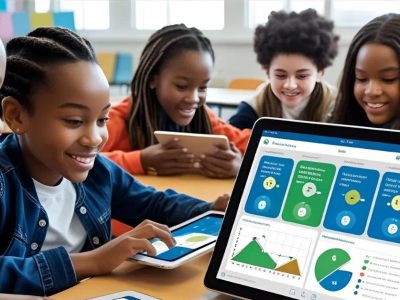
Digital literacy is now a basic requirement in most careers. Education introduces students to the tools and platforms commonly used in professional environments.
Digital skill development includes:
- document preparation software
- online research methods
- presentation platforms
- collaboration tools
- data organization systems
Digital familiarity improves workplace adaptability.
Supporting Adaptability in Changing Work Environments
Workplaces evolve quickly due to technological innovation and global connectivity. Education helps students become flexible learners who can adjust to new expectations.
Adaptability training occurs through:
- exposure to diverse subjects
- interdisciplinary learning
- technology integration in classrooms
- independent research activities
Flexible thinking supports career longevity.
Encouraging Professional Responsibility
Educational environments introduce expectations that mirror workplace standards. Students learn accountability through attendance requirements, assignment deadlines, and participation expectations.
Professional responsibility development includes:
- respecting schedules
- meeting performance expectations
- completing tasks independently
- following instructions accurately
- maintaining academic integrity
These habits transfer directly into workplace behavior.
Developing Leadership Skills Through Participation
Leadership opportunities often begin during education through student organizations, project leadership roles, and extracurricular activities.
Leadership experiences help students:
- guide group discussions
- manage responsibilities
- motivate team members
- coordinate project activities
- make decisions confidently
Early leadership practice builds long-term career confidence.
Enhancing Emotional Intelligence
Emotional intelligence supports workplace success by improving interpersonal awareness and self-management skills. Education contributes to emotional development through social interaction and collaborative learning.
Students strengthen emotional intelligence by learning to:
- recognize personal strengths and weaknesses
- respond to feedback constructively
- manage stress effectively
- understand group dynamics
- communicate respectfully
Emotional awareness supports professional relationships.
Connecting Education With Real-World Applications
Modern education increasingly emphasizes practical application rather than theoretical understanding alone. Students benefit from experiences that connect classroom knowledge with real-world contexts.
Application-based learning includes:
- internship participation
- community-based projects
- research collaborations
- simulation exercises
- workplace observation programs
These experiences improve readiness for employment environments.
Encouraging Lifelong Learning Habits
Education prepares students not only for their first job but also for continued career development. Lifelong learning supports adaptation as industries evolve.
Students develop lifelong learning habits by:
- exploring new subjects independently
- improving research skills
- practicing self-directed learning
- engaging in professional development opportunities
Continuous learning strengthens long-term career resilience.
Supporting Confidence and Independence
Confidence plays an important role in workplace performance. Education helps students build independence through decision-making opportunities and responsibility for their own progress.
Confidence development occurs through:
- completing challenging assignments
- presenting ideas publicly
- leading group initiatives
- managing academic responsibilities independently
Confidence supports effective workplace participation.
Encouraging Ethical Awareness in Professional Settings
Ethical decision-making is essential in many careers. Education introduces students to responsibility, fairness, and accountability through structured expectations and discussions.
Ethical awareness includes:
- understanding academic honesty expectations
- respecting intellectual property
- considering social responsibility
- recognizing professional boundaries
Ethical preparation supports trustworthy professional behavior.
Preparing Students for Workplace Diversity
Modern workplaces include individuals from many cultural and professional backgrounds. Education introduces students to diverse perspectives that strengthen collaboration skills.
Students benefit from:
- multicultural classroom environments
- collaborative learning experiences
- exposure to global viewpoints
- inclusive learning practices
Diversity awareness supports respectful professional interaction.
Encouraging Career Planning and Goal Setting
Education helps students identify strengths, interests, and long-term career possibilities. Structured planning improves decision-making confidence.
Career planning support may include:
- academic advising sessions
- skill development workshops
- career readiness courses
- resume preparation guidance
- interview preparation training
Goal-setting skills improve transition into employment environments.
FAQs About How Education Prepares Students for the Workforce
Why is communication training important during education
Communication skills support teamwork, leadership development, and professional clarity across nearly every workplace environment.
How do extracurricular activities support career readiness
Extracurricular participation helps students develop leadership abilities, teamwork experience, and confidence outside traditional classroom settings.
What role do internships play in workforce preparation
Internships provide direct exposure to workplace expectations and allow students to apply classroom knowledge in professional environments.
Can vocational education prepare students as effectively as academic programs
Vocational education provides specialized technical training that prepares students for many skilled careers requiring hands-on expertise.
How does education help students handle workplace stress
Educational experiences teach time management, problem-solving, and communication strategies that support stress management skills.
Why is digital literacy important for modern employment
Digital tools are widely used across industries, making technology familiarity essential for productivity and communication.
How does education support long-term career growth
Education builds foundational knowledge and learning habits that allow individuals to adapt to evolving industries throughout their careers