 By Marrio Phill
Key Takeaways
Friction stir welding (FSW) stands out as an energy-efficient alternative to traditional methods, operating at lower temperatures while adeptly joining dissimilar metals. This boosts the strength of welded joints significantly.
The innovative FSW process enables the effective welding of advanced alloys such as aluminum and titanium. This advantage is particularly beneficial in industries like automotive and aerospace.
Moreover, FSW reduces both production cycle times and scrap rates, which leads to greater operational efficiency and notable cost savings for manufacturers.
Interestingly, the mechanical strength of FSW joints often outperforms that of the base materials, making it a superb choice for high-stress applications in sectors such as aerospace and automotive manufacturing.
Various industries, including aerospace, automotive, marine, and renewable energy, are increasingly turning to FSW, thanks to its capability to fabricate lightweight yet durable structures.
With ongoing advancements in FSW technology, including the integration of automation and AI, further enhancements in precision and efficiency are anticipated, signaling a transformation in manufacturing processes.
Staying informed about FSW innovations is crucial for organizations aiming to remain competitive in today’s fast-evolving market environment.
Unpacking the Basics of Friction Stir Welding
What Makes FSW Stand Out in Industrial Applications?
Friction stir welding (FSW) really shows its advantages over conventional welding techniques, particularly through its energy efficiency and capability to weld dissimilar materials. Operating at lower temperatures facilitates a solid-state welding process that minimizes thermal distortion. As industries undergo change, many professionals emphasize that the strength of the completed weld remains unmatched. Enhanced mechanical properties are crucial in sectors prioritizing structural integrity.
Moreover, experts consistently highlight FSW’s unique capacity to weld alloys that challenge conventional welding methods. Automotive and aerospace sectors, where lightweight yet strong materials are key, find it especially useful. So, what’s the secret sauce? It’s all about its versatility and effectiveness on numerous fronts.
The Key Components and Equipment for Effective FSW
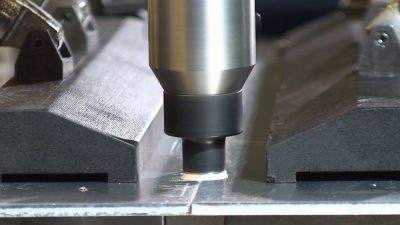
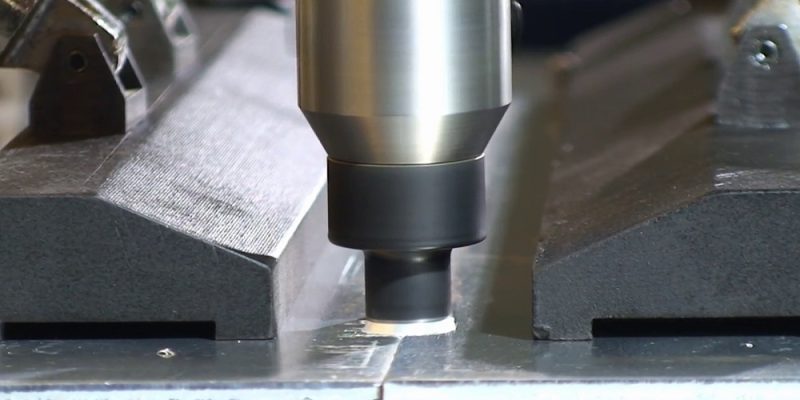
To execute a successful friction stir welding operation, a solid grasp of the essential machinery and tools is necessary. The primary components include:
- FSW Tool: A tool specifically designed to create friction at controlled speeds. Its geometry is vital for achieving high-quality joints.
- Welding Machine: This equipment supports both the tool and the workpiece while closely monitoring key welding parameters such as rotational speed and feed rate.
- Fixture Systems: These are crucial for securing workpieces, which ensures precision during the welding operation.
Experts emphasize the importance of maintaining a consistent tool temperature and pressure. Fine-tuning machine settings significantly enhances weld quality, akin to a chef perfecting a recipe; the results are only as good as the care taken throughout the process.
Exploring the Advantages of Friction Stir Welding
How FSW Increases Production Efficiency and Cost Savings
In a climate where financial performance is paramount, friction stir welding emerges as a cost-effective solution. Its streamlined process leads to reduced cycle times, subsequently boosting production efficiency. Many manufacturers have reported that FSW enables them to achieve higher output rates, with less time consumed on setups and extended tool life contributing to additional savings.
Clients frequently enjoy significant declines in rework and scrap rates. The closed-loop nature of FSW not only cuts waste but also ensures consistent results throughout production runs. This means that less waste directly enhances profitability.
- Speed: Faster welding times compared to traditional practices.
- Reduced energy consumption: The welding process requires less power.
- Longevity of tools: FSW tools generally have longer lifespans, further driving costs down.
In essence, businesses adopting FSW can witness tangible gains in operational efficiencies. It’s a paradigm shift, altering the industrial landscape as it stands.
Durability and Performance: Why FSW Surpasses Traditional Methods
Durability is one of the key attributes that define friction stir welding. The process’s lack of melting produces metallurgical properties that often exceed those found in traditional welds. Many experts believe that the mechanical strength of FSW joints frequently surpasses that of the base materials, a critical consideration in aerospace where stress resistance is vital.
Additionally, FSW effectively addresses issues tied to fusion welding like porosity, cracks, and warping. What results is a clean and homogeneous joint. Professionals contend that the lower likelihood of defects is a key reason many industries are gravitating toward FSW. Strong joints ultimately yield stronger products across the board.
“Friction stir welding creates bonds that provide excellent resistance to fatigue and stress. When safety is critical, this technology delivers.”
The benefits of FSW are particularly significant for high-strength alloys, translating to dependable performance in extreme conditions. For any organization concerned about material fatigue, integrating FSW into processes is a worthy consideration.
Applications of Friction Stir Welding in Various Industries
From Aerospace to Automotive: Where FSW Shines
The adaptability of friction stir welding opens numerous doors for its application across various sectors. The aerospace industry has swiftly embraced FSW for its capability to join lightweight materials, aiding fuel efficiency in aircraft. Similarly, automotive manufacturers value FSW for its ability to offer a superb blend of lightness and strength, enhancing vehicle performance.
Additionally, FSW plays a significant role in the construction of marine vessels, where the robust joints can withstand harsh environments. The renewable energy sector is also reaping the rewards as FSW contributes to the durability of wind turbines, ensuring they withstand fluctuating conditions.
- Aerospace: FSW is essential in the assembly of airframes and components.
- Automotive: Utilized in the manufacturing of lightweight chassis and battery casings.
- Marine: Effective for fabricating hulls in ocean-going vessels.
- Energy: Wind turbines and other modern infrastructures benefit from FSW.
Across each industry, enhanced performance and efficiency are evident, solidifying that the benefits of FSW are far-reaching. This technology is more than just a fleeting trend; it is actively shaping the future of welding and manufacturing.
Case Studies: Real-World Success Stories in FSW
There are many success stories showcasing the transformative impact of friction stir welding on manufacturing processes. A prominent aerospace manufacturer discovered that integrating FSW led to a 30% reduction in weight for specific aircraft components while simultaneously boosting durability.
In another instance, a well-known automotive company adopted FSW for its battery casing, resulting in notable enhancements in safety and performance. The welded joints exhibited exceptional resistance to failure during crash tests, a non-negotiable component for passenger safety.
“With friction stir welding, we didn’t just improve production efficiencies; we reshaped our approach to manufacturing.”
These examples serve to illustrate FSW’s potential for driving innovation in manufacturing. Organizations that embrace FSW’s unique attributes can redefine their processes, carving out a distinct niche within fiercely competitive markets.
Optimizing Friction Stir Welding Processes for Better Results
Best Practices for Maximizing Welding Quality
Achieving optimal weld quality with friction stir welding requires a keen eye for detail. Skilled operators play a pivotal role in adjusting parameters such as speed, pressure, and tool geometry. But that’s merely scratching the surface.
Here are some recommended best practices to consider:
- Constant monitoring: Regular inspections of machine parameters can prevent future complications.
- Proper maintenance: Scheduled upkeep of equipment guarantees it stays in prime working order.
- Training: Investing in operator training is crucial for skill development.
Adopting these measures helps reduce inconsistencies and maximizes the strength of welds. Maintaining open lines of communication among team members can also be beneficial for anticipating challenges. Smooth operations greatly rely on seamless collaboration.
Future Innovations: What’s Next for FSW Technology?
The future appears bright for friction stir welding, with continuous advancements on the horizon. Innovations like automation and artificial intelligence are set to improve the accuracy and efficiency of FSW. Picture robots fine-tuning weld parameters in real time—this evolution promises to redefine operational workflows.
Research is also advancing towards refining tool materials and designs. Enhanced tool configurations are expected to deliver even longer lifespans and better performance across varying conditions. The growing integration of IoT (Internet of Things) may yield smarter machines capable of predictive maintenance, which translates to minimized downtimes and maximized productivity.
Industry experts widely agree that the evolution of friction stir welding technology will significantly influence the manufacturing landscape for years ahead.
For organizations, keeping abreast of these advancements is not just beneficial; it’s crucial for maintaining competitiveness in an ever-evolving market.
FAQ
What are the training requirements for operators in FSW?
Training for operators in friction stir welding is vital for achieving high-quality welds. Professionals in the industry recommend comprehensive training programs that encompass machinery operation, parameter adjustments, and troubleshooting to maximize the effectiveness of FSW technologies.
How does the choice of tool geometry influence FSW outcomes?
The geometry of the FSW tool is imperative. Various designs can impact heat generation, material flow, and ultimately, the weld quality. Thus, the right tool geometry is crucial for achieving optimal weld performance and properties.
Can FSW be applied to materials outside of metal?
Although FSW is mainly utilized for metal applications, ongoing research aims to explore its potential on alternative materials, including certain plastics and composites. These developments could significantly influence manufacturing beyond traditional metalworking.
What maintenance practices are recommended for FSW equipment?
Regular maintenance plays a crucial role in FSW equipment longevity. Operators should conduct routine checks on tool conditions, align machines with manufacturer specifications, and monitor wear and tear. This proactive approach helps reduce unexpected downtimes while ensuring weld quality is upheld.
How do environmental factors affect FSW performance?
Environmental elements such as temperature and humidity can influence the FSW process. For example, extreme temperatures might alter material properties. Understanding these effects allows organizations to adjust their operational parameters, maintaining consistent weld quality despite varying conditions.
What impact do advancements in AI have on FSW?
Advancements in AI are anticipated to elevate friction stir welding by enabling real-time monitoring and adjustments of welding parameters. This technology will likely lead to enhanced precision and quality in welds, making the future of FSW even more promising for manufacturers across various sectors.
How does FSW contribute to sustainability in manufacturing?
Friction stir welding supports sustainability efforts by minimizing waste and energy consumption compared to conventional approaches. The resultant decrease in scrap rates, along with lower energy demands, positions FSW as an environmentally responsible option, aligning with contemporary manufacturing practices that seek to reduce carbon footprints.
What industries stand to benefit most from adopting FSW technologies?
Industries like aerospace, automotive, and marine are at the forefront of FSW adoption, given the technique’s clear advantages. Nonetheless, sectors that focus on lightweight and high-strength applications, such as renewable energy, are also discovering significant value in integrating FSW into their operations.