 By Marrio Phill
Understanding Skid Steer Rentals: What You Need to Know
The Basics: What is a Skid Steer and How Does It Work?
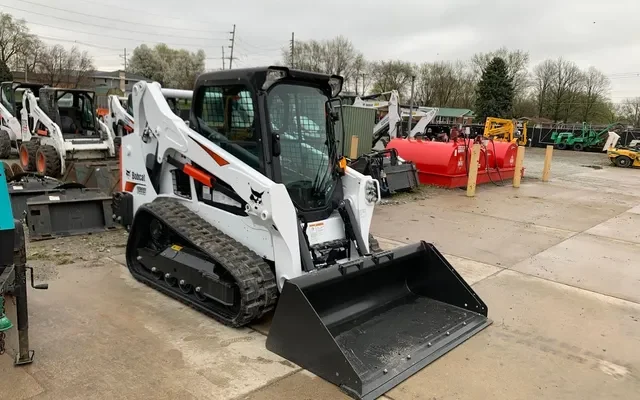
A skid steer is a compact, maneuverable machine widely used in construction, landscaping, and agricultural projects. These versatile machines are typically characterized by their four wheels or tracks, which are driven independently; this allows for tight turning and versatility in confined spaces. The name “skid steer” comes from the machine’s unique ability to skid in place, improving agility and providing the operator with enhanced control when navigating tricky terrain. The basic operation involves a central frame with a hydraulic arm and bucket or tool attachment, allowing operators to move dirt, load materials, or execute a variety of tasks effectively. The use of skid steers has proliferated thanks to their efficiency, making them a staple in projects that require quick and nimble machinery.
Understanding how skid steers work is vital for any prospective renter. They are powered by either diesel or gasoline engines and feature numerous hydraulic systems for lifting and articulating functions. The hydraulic power allows the operator to easily manipulate attachments, ranging from buckets and forks to specialized tools like stump grinders and trenchers, which can exponentially expand a skid steer’s applications. Familiarity with hydraulic systems can significantly enhance an operator’s ability to make the most out of their rental experience. Moreover, operators can usually choose between wheeled and tracked models; wheeled skid steers offer high speed and better maneuverability on flat surfaces, while tracked models provide improved stability and traction on uneven ground.
The Advantages of Renting vs. Buying a Skid Steer
When considering the acquisition of a skid steer, one of the most critical decisions is whether to rent or buy. Renting offers several advantages that can significantly impact your project’s bottom line. First and foremost is cost-effectiveness. For contractors or businesses that undertake specific jobs, purchasing a skid steer can prove to be an expensive investment, especially when maintenance, insurance, and depreciation are factored in. Renting allows for access to high-quality machinery without the extensive upfront costs. This is particularly advantageous for smaller businesses that may not have the financial bandwidth to invest in expensive equipment.
In addition to cost savings, renting provides flexibility. Projects come in various shapes and sizes, often varying in length and scope. By choosing to rent, businesses can select a skid steer model tailored to each specific project, meaning there’s no longer a need to compromise efficiency due to equipment limitations. Seasonal work also becomes less of a burden; for instance, contractors engaged in winter landscaping may only require skid steer rentals during the colder months, alleviating the need for year-round maintenance.
Another pivotal factor is access to the latest technology. Skid steer models are continually evolving, incorporating new features such as advanced hydraulics, enhanced safety protocols, and increased fuel efficiency. By renting, operators can ensure they utilize the latest models available, thereby benefitting from improved performance and minimized operating costs. Many rental companies also have maintenance teams that handle service and repairs, allowing the operator to focus on the task without the worries of equipment upkeep.
Navigating Your Rental Options: Where to Start
Top Rental Companies: A Comparison of Their Offerings
When it’s time to secure a skid steer rental, understanding the landscape of rental companies is critical. Leading players in the rental market, such as United Rentals, Sunbelt Rentals, and Herc Rentals, offer an extensive fleet of skid steers and various attachments. United Rentals, for example, possesses one of the largest inventories in North America, making it a convenient option for quick access to necessary models. Their online platform allows for easy comparisons and reservations, with detailed specifications and category filters paving the way for informed decisions.
Meanwhile, Sunbelt Rentals offers a user-friendly experience with a strong commitment to customer service. They provide informative resources on choosing the right equipment for specific tasks and include maintenance support as part of their rental agreement. Herc Rentals, known for its rapid delivery service, prides itself on providing dependable machinery backed by a responsive customer service framework. Each of these companies serves unique needs, from specialization in certain industries to responsive rental terms and support. Before making your decision, consider factors such as geographic coverage, specialization in certain types of equipment, availability of newer models, and rental terms that might better fit your operational context.
Local vs. National: Which Rental Service Is Right for You?
When navigating the skid steer rental landscape, a fundamental consideration is whether to partner with a local or national rental service. Local rental companies often provide personalized service and deeper local market insights. They may offer competitive pricing and greater flexibility in renting terms. Furthermore, they can assist clients who are familiar with local regulations and working conditions, potentially leading to better overall project execution. Local companies may also provide more responsive delivery services, which can be invaluable when project timelines are tight.
On the other hand, national rental companies possess extensive inventories that cover a wider range of models and are likely to have multiple locations across various regions. This can result in reduced transportation costs and quicker access to equipment. Moreover, national competitors often have robust online platforms that streamline the renting process, making model specifications and comparisons easy to navigate. However, depending on your location, national companies may not provide the same level of personalized service, and their prices can sometimes be higher due to their larger operational overheads.
Your decision should ultimately hinge on the specifics of your project. If you require specialized models or rapid availability, national companies may be more appropriate. Conversely, if building relationships within your community and benefitting from localized expertise is essential, a local rental service may be the better choice.
Choosing the Right Skid Steer for Your Project
Size Matters: How to Select the Perfect Model for Your Job
As you begin your search for a skid steer, size becomes a paramount factor. Skid steers generally range in operating capacity, measured in terms of the maximum weight they can lift. Compact models may only handle minimal loads but excel in navigation within tight spaces, while larger models are engineered for heavy-duty operations and prolonged use. Consider the nature of your project meticulously; for instance, grading a small backyard might only necessitate a smaller machine, but excavation for large-scale construction would warrant a heavy-duty skid steer.
In addition to load capacity, the lift height and reach are also crucial. If your project involves loading materials onto trucks or stacking materials that require significant height, this aspect cannot be overlooked. Furthermore, considering the site terrain is imperative; if you’re working on a hilly or uneven landscape, a larger, heavier model may provide better stability and traction.
Equally important is understanding the operating weight of the machine. Heavier skid steers may deliver superior stability and durability but can also be more challenging to maneuver in confined spaces. Conversely, lighter models may be less robust but allow for quick navigation. Thus, balancing these considerations and assessing the project requirements holistically will guide you to the optimal skid steer model.
Attachments 101: Maximizing Your Skid Steer’s Versatility
One of the most compelling features of skid steers is their versatility, largely derived from the range of attachments available. Depending on your project needs, utilizing attachments can significantly enhance the skid steer’s functionality. Common attachments include buckets for digging and moving materials, forks for lifting pallets, and grapples for tree and debris removal. Each serves a distinct purpose, allowing the skid steer to transition seamlessly from one job to another.
To maximize your rental’s potential, it’s essential to understand which attachments are compatible with your selected model. Some models come with a quick-connect system, allowing operators to change tools rapidly without significant downtime, while others may necessitate manual connections. Determining the necessary attachments before choosing your skid steer is critical; think about the primary tasks you will tackle. For example, if landscaping is involved, a bucket and auger attachment may be helpful for digging and planting.
Furthermore, taking the time to assess whether you require specialized attachments—like snow plows for winter applications or trenchers for pipeline installations—will also aid in maximizing your skid steer’s versatility. Keep in mind that not all rental companies carry every type of attachment, so be proactive in determining what’s available beforehand.
From Contract to Completion: Ensuring a Smooth Rental Experience
Nailing the Rental Agreement: Key Terms You Should Know
Successfully navigating a skid steer rental is contingent upon understanding the terms of the rental agreement. Key elements to look out for include the rental duration, fees, liability clauses, and policies regarding maintenance and damages. Rental duration typically specifies whether you are engaging in a short or long-term rental, which subsequently affects pricing. For longer projects, “weekly” or “monthly” rental rates may offer financial advantages, while short-term projects may benefit from daily rates. Also, be aware of policies regarding late returns, which could incur hefty penalties.
Liability clauses are also paramount, as they delineate who is responsible for damages incurred during the rental period. Understanding insurance coverage—both that of the rental company and your own—is crucial. Some rental companies may offer damage waivers that limit your liability for equipment losses, while others may hold you fully liable for damages. Carefully reviewing these terms can save you significant expenses and clarify the risks involved.
Furthermore, keep an eye on maintenance responsibilities. Most reputable rental companies conduct regular maintenance checks, ensuring the equipment you receive is in optimal condition; however, it’s also important to clarify who is responsible for maintenance during the rental period. Failure to uphold maintenance standards can lead to equipment failure, delayed projects, and unforeseen costs.
Maintenance and Care: Keeping Your Rental in Top Shape
Once you’ve secured your skid steer rental, proper maintenance and care become essential to ensuring a successful project. First and foremost, familiarize yourself with the operation manual; it provides vital information on the correct usage and maintenance needed for the specific model you’re operating. Regularly inspect the machine before use, checking for hydraulic leaks, tire conditions, and general wear and tear. Keeping the skid steer clean is equally essential; dirt and debris can obstruct moving parts, affect performance, or even lead to damage if neglected.
Operating the skid steer within its rated capacities is also vital. Overloading can lead to mechanical failures and affect stability, especially on uneven terrain. Take care when working on slopes; most modern skid steers are equipped with safety features, but site conditions still pose risk, so adhering to defined weight limits and guidelines is essential.
Before returning the rented machine, ensure it is cleaned and any necessary refuelings or maintenance checks have been conducted. Many rental companies have specific expectations regarding the condition in which the returned equipment should be. Taking proactive steps in maintenance during your rental period can help avoid costly damage fees and ensure a positive rental experience.
The effective use of skid steers can lead to increased project efficiency, cost savings, and enhanced overall outcomes on any construction, landscaping, or agricultural endeavor. By understanding the ins and outs of renting skid steers, from selecting the right equipment to ensuring care throughout the rental process, you can navigate your next project with confidence.
FAQ
Question: What types of projects are best suited for skid steers? – Skid steers are ideal for a variety of projects, including construction, landscaping, and agricultural tasks. Their compact size and versatility allow them to excel in tight spaces and perform tasks such as grading, excavation, and material handling.
Question: How do I determine the right attachment for my skid steer? – Selecting the right attachment depends on the specific tasks you plan to perform. Consider the nature of your work; for example, buckets are great for moving dirt, forks for lifting pallets, and grapples for handling debris. Always check compatibility with your skid steer model.
Question: What should I do if I encounter issues during my rental period? – If you face any issues, immediately contact the rental company’s support line. They are typically equipped to assist in troubleshooting, provide guidance on maintenance, or facilitate repairs if necessary, ensuring minimal disruption to your project.
Question: Can I rent a skid steer for just a few hours? – Many rental companies offer flexible rental periods, including hourly rentals, which can be beneficial for short-term projects. However, it’s best to inquire with your chosen rental service regarding their specific policies and availability.
Question: Is insurance necessary for renting a skid steer? – While it may not be strictly mandatory, it is highly advisable to have insurance coverage when renting a skid steer. This protection can cover potential damages or liabilities incurred during the rental period, giving you peace of mind while operating the equipment.
Question: Are there weight limits to consider when using a skid steer? – Yes, every skid steer has specific weight limits outlined in its operation manual. Adhering to these limits is crucial to avoid mechanical failures and ensure safety, especially when working on uneven terrain.
Question: How often should I perform maintenance on a rental skid steer? – Performing maintenance checks daily before use is important. Regular inspection for hydraulic leaks, tire conditions, and overall cleanliness will help keep the skid steer in optimal condition and avoid unexpected issues during operation.
Question: What happens if I return the rental skid steer damaged? – If the skid steer is returned with damages, you may be liable for repair costs. It’s important to thoroughly inspect the machine before returning it and report any pre-existing issues to the rental company to avoid being charged for them.
Useful Resources
- Occupational Safety and Health Administration (OSHA)
- Centers for Disease Control and Prevention (CDC)
- National Roofing Contractors Association (NRCA)
- com – A comprehensive resource for all things construction
- com – Resources for agricultural equipment and practices
- Construction Equipment Business – Informative articles on equipment and industry trends
- Rental Equipment Register – Insights on rental equipment markets and trends
- National Construction Safety Association (NCSA)