 By Marrio Phill
Key Takeaways
The maritime industry is undergoing a significant transformation with the rise of automated storage systems, which are boosting operational efficiency and profitability for marinas.
High-density storage solutions, including vertical stacking and automated retrieval technologies, enable marinas to enhance capacity, especially during busy seasons.
Providing customizable storage options, automated systems adapt seamlessly to different boat sizes, while improving real-time inventory control for marina management.
Smart parking systems, utilizing advanced algorithms and real-time data, help minimize traffic congestion and elevate the urban parking experience.
Through automated parking management, cities can bolster their revenue, improving utilization rates and cutting down on operational costs.
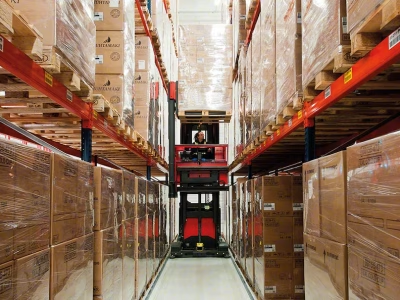
In warehouses, automated systems optimize operations by reducing labor expenses, minimizing errors, and increasing throughput for superior inventory management.
Robust security features in automated storage, such as 24/7 monitoring and biometric access, not only better protect assets but also provide clients with greater flexibility and access.
How Automated Storage Transforms Marina Space Management
Over the past decade, the maritime industry has experienced remarkable progress. The emergence of automated storage systems marks a pivotal shift in the way marinas handle space management. These systems bring forth innovative approaches that not only optimize operations but also enhance profitability. But, what really constitutes a transformation in this domain?
Optimizing Boat Storage for Peak Seasons
Peak seasons typically drive up the demand for boat storage. This is precisely where automated systems make their entrance, converting potential chaos into an efficiently running operation. Experts assert that high-density storage solutions empower marinas to make use of spaces that might otherwise remain empty. Consider the impact of vertical storage working in tandem with automated retrieval systems—this combination delivers impressive benefits.
Take a look at what’s on offer:
- Increased Capacity: Stacking boats vertically maximizes space, allowing marinas to accommodate far more vessels.
- Faster Retrieval: With automated systems, boats can be retrieved in mere minutes, effectively reducing wait times during peak periods.
- Enhanced Safety: Automated handling lowers the risk of damage and accidents, resulting in a smoother operational flow.
However, it’s essential for marinas to think carefully about their layouts. Implementing automated storage systems demands thoughtful planning and investment, but the returns are evident in improved customer satisfaction and optimized processes. Clients regularly experience remarkable convenience during the busiest times of the year.
Efficient Space Utilization: A Game Changer for Marinas
Success for any marina often hinges on efficient space utilization. The industry wrestles with challenges such as seasonal demand shifts and the necessity for versatile functionality. Enter automated storage systems, stepping in as the solution to managing confined spaces. These systems can be tailored for various needs, from dry-docking to slip configurations.
Studies reveal that successful marinas leverage technology to create multifunctional spaces. By embracing a mixed-storage approach, marinas not only conserve space but also amplify their service offerings:
- Customizable Storage Units: Different boats come with different storage requirements. Automated systems can adjust according to size and shape.
- Real-Time Inventory Control: Having a clear picture of vessel locations helps marinas manage assets more effectively.
- Dynamic Pricing Strategies: Utilizing data insights enables pricing adjustments based on shifting demand.
The trend toward automation isn’t merely about adopting technology; it fundamentally redefines how marinas perceive and utilize their spaces.
Parking Solutions: The Future of Efficient Urban Storage
In urban settings, issues like traffic jams and limited parking are common challenges. With vehicle ownership on the rise, cities need innovative solutions. Automated storage systems provide a glimpse into futuristic parking management by optimizing space in unprecedented ways.
Reduce Traffic Congestion with Smart Parking Systems
Smart parking systems signify a quantum leap in urban planning. By employing algorithms and real-time data, these systems help guide drivers toward available parking spaces, cutting down unnecessary road travel. Not only does this technology streamline parking, but it also helps to reduce carbon emissions by minimizing the time vehicles spend idling while searching for spots.
Consider the groundbreaking features:
- Intelligent Sensors: Capable of detecting availability, these sensors communicate space status instantly to users, enhancing the overall experience.
- User-Friendly Apps: Allowing drivers to reserve parking spots in advance transforms the parking experience into a stress-free endeavor.
- Dynamic Pricing Models: Pricing can adapt based on demand patterns, encouraging drivers to park during quieter times.
Visualize an urban landscape where traffic snarls and parking hunts feel like relics of the past. This vision is the goal—turning cities into smarter, more efficient spaces.
Maximizing Revenue Through Automated Parking Management
Urban planners and parking operators are increasingly recognizing the significant revenue potential that automation offers. The introduction of automated systems in parking facilities opens up an array of possibilities. With the potential for increased occupancy and diverse pricing strategies, the opportunities for profit are plentiful.
Experts suggest that financial gains from automated parking management are achievable through:
- Higher Utilization Rates: Automating parking facilities can reduce downtime and maximize space occupancy.
- Operational Cost Savings: Such systems often require less manual labor for management and upkeep.
- Enhanced Customer Loyalty: A seamless experience translates to repeat customers who appreciate convenience.
With these advancements, cities can transform parking from a logistical headache into a significant revenue generator.
Streamlined Warehousing: Boosting Inventory Efficiency
In logistics and supply chain management, streamlining warehouse operations through automation is essential for achieving success. Automated storage systems empower businesses to refine their processes significantly.
Automated Systems: Reducing Labor Costs and Errors
While the human element is crucial in warehouse operations, it is also frequently susceptible to mistakes. Automated systems cut labor costs through functions like item retrieval and shipment processing, and thanks to their ability to maintain near-perfect accuracy, they substantially decrease the likelihood of errors.
For warehouses, transitioning to automation can differentiate between mediocre and outstanding performance. Here are some impacts to consider:
- Fewer Labor Issues: Reducing reliance on manual tasks alleviates common staffing and accuracy concerns.
- Increased Throughput: Automated systems adeptly manage larger quantities of items at speeds surpassing those of human workers.
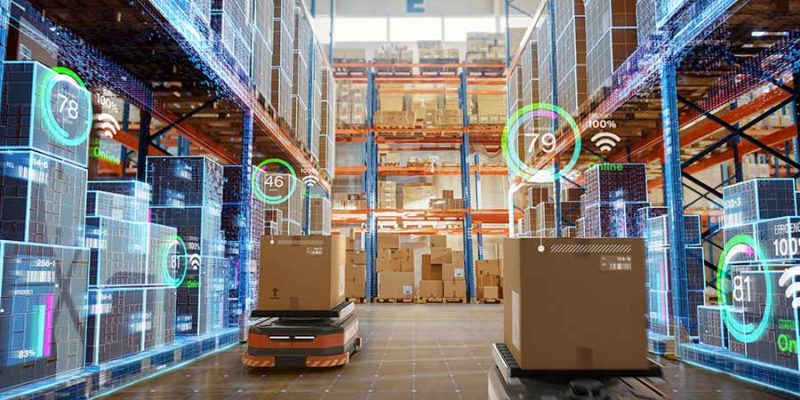
- Data Integration: These solutions yield real-time updates across various platforms, enhancing visibility and informed decision-making.
Interestingly, this focus on efficiency also frees staff to concentrate on higher-value tasks that contribute to growth.
Real-Time Inventory Tracking: Raise Warehouse Management
A major advantage is the capacity for real-time inventory tracking. This cutting-edge feature brings a level of transparency to stock management that prior methods couldn’t achieve. Items can be located, counted, and monitored throughout the supply chain, drastically boosting accuracy.
The outcome is clear: enhanced customer service and increased satisfaction. Here’s how:
- Instantaneous Updates: Businesses can access the latest data, leading to more informed decision-making.
- Reduced Stockouts and Overstocks: Accurate inventory understanding enables companies to maintain optimal stock levels without excess.
- Smooth Integration with Shipping: Coordinating shipments with real-time information avoids delays and enhances customer experiences.
The focus here is on reshaping warehouse management capabilities. Companies can adapt quicker, respond better, and meet customer expectations effectively.
Security and Accessibility: Twin Pillars of Auto Storage Systems
In the realm of storage solutions, security and accessibility stand as crucial pillars deserving of attention. Automated storage builds its reputation on delivering excellence in both areas, ensuring peace of mind without sacrificing convenience.
Advanced Security Features in Automated Storage Solutions
In light of rising concerns surrounding theft and damages, businesses are placing a premium on robust security measures. Automated storage systems incorporate state-of-the-art features like video surveillance, biometric access, and real-time alerts, forming a formidable defense against potential threats.
This leads to diminished risks for businesses and improved experiences for clients, spurred by confidence in security. Here’s what to expect:
- 24/7 Monitoring: Constant oversight means any security breach can be immediately addressed.
- Biometric Access Controls: Limiting access to authorized personnel only boosts overall security.
- Data Encryption: Safeguarding sensitive information related to inventory and customer details protects businesses’ reputations.
Investing in security is more than merely protecting assets; it’s about ensuring peace of mind for all involved.
24/7 Access: Enhancing Customer Experience and Satisfaction
Studies indicate that flexibility is a key customer preference. Automated storage systems allow businesses to offer 24/7 access to their clients. This isn’t merely a luxury; it’s becoming a foundational element of service delivery. The ability to access stored items at any hour adds immense value.
The benefits? Enhanced loyalty and repeat business come naturally. Consider these positives:
- Improved Client Satisfaction: Providing flexible access translates to happier customers who feel valued.
- Minimized Waiting Times: Automated retrieval systems save time and enhance efficiency for clients.
- Greater Competitive Advantage: Offering round-the-clock access distinguishes businesses from their competitors.
The clear takeaway here is that combining security and flexibility leads to an exceptional customer experience.
For businesses aiming to succeed in today’s marketplace, adapting to the innovations of automated storage systems is key. From marinas and urban parking to warehousing, these systems provide concrete benefits across diverse sectors. With advanced solutions at their disposal, organizations can maximize space, lessen errors, and promote higher levels of customer satisfaction. The crux of the matter isn’t whether to invest in automation—it’s how soon implementation can take place.
FAQ
How can automated storage systems adapt to changing demands?
These systems are designed with flexibility in mind, allowing them to be reconfigured to meet differing storage requirements, whether it be accommodating various boat types or adjusting to seasonal demand shifts. This capability ensures that marinas and businesses can pivot quickly and efficiently.
What role does data play in improving automated systems?
Data serves as the backbone of automated systems. By analyzing usage patterns, organizations can optimize storage layouts, enhance operational efficiency, and modify pricing strategies in real time based on current demand, ultimately leading to improved resource management and profitability.
Aren’t automated systems expensive to implement?
While the upfront investment can be considerable, the long-term savings typically outweigh initial costs. These savings stem from reduced labor expenses, decreased error rates, and accelerated inventory turnover, all contributing to enhanced overall profitability.
How do automated systems affect employee roles in marinas and warehouses?
The implementation of automated systems shifts employee roles away from repetitive tasks towards value-added activities. Staff members can focus more on customer service, strategic initiatives, and sales opportunities, which enhances morale and fosters business growth.
Can automated storage systems be integrated with existing facilities?
Definitely. Many automated solutions are specifically designed to work seamlessly with current storage setups. Facilities can upgrade incrementally, allowing businesses to gradually implement new technology without significant disruptions.
What industries beyond marinas benefit from automated storage?
A multitude of industries, including retail, e-commerce, and manufacturing, can leverage automated storage. Any sector that relies on inventory management and efficient space utilization stands to gain significantly from adopting these systems.
Are there automated solutions for small businesses?
Absolutely, many automated storage solutions cater specifically to smaller businesses, offering scalable options that fit limited spaces and budgets. These systems empower small enterprises to improve efficiency without sacrificing quality.
What is the future potential of automated storage systems?
The outlook for automated storage systems is promising, with continual technological advancements poised to shape their future. Innovations such as AI and machine learning will further enhance the effectiveness and reliability of these systems, rendering them indispensable across various sectors.