 By Marrio Phill
Key Takeaways
Palletization plays a crucial role in effective shipping. It involves several steps like preparation, loading, stretch wrapping, and labeling, all aimed at minimizing damage while optimizing space.
The rise of automation in palletization has greatly enhanced efficiency. Automated palletizers, alongside warehouse management software and robotics, help cut down on human error and speed up processing times significantly.
When choosing between manual and automated methods, cost and efficiency are key factors. Automation might have a steeper initial cost, but the long-term gains can be worth it.
There are various pallet types—wooden, plastic, and metal—each with its own advantages and drawbacks. It’s important to evaluate these based on your specific product needs and operational requirements.
Well-executed palletization can slash shipping costs through better space use, reduced damage, and more efficient loading and unloading.
Companies like Amazon and Coca-Cola illustrate that smart palletization can lead to improved customer satisfaction and lower operational costs.
Looking ahead, trends in palletization are shifting towards artificial intelligence and IoT solutions for more effective inventory management, along with an increasing focus on sustainable materials and practices.
Unpacking the Palletization Process: What’s Really Happening?
Palletization isn’t just a simple task; it’s truly the backbone of efficient shipping. Do you have a warehouse? Then you definitely need to understand this. So, what’s going on when goods hit that conveyor belt and end up on a pallet? Have you ever stopped to think about how it all comes together? Let’s dive in.
The Step-by-Step Breakdown of Palletization
To grasp the palletization process, you need to recognize a few key steps. Here’s a straightforward breakdown:
- Preparation: This step requires choosing the right pallet size for the products. You can’t just toss any old box onto any old pallet; that’ll create chaos.
- Loading: Arranging the goods properly on the pallet is crucial for stability. Uneven distribution? That could spell disaster for your items.
- Stretch Wrapping: Wrapping is essential to keep everything secure. Nobody wants their shipment arriving like it just rolled through a food fight.
- Labeling: After stacking everything neatly, the next step is labeling. You definitely don’t want to waste time figuring out what’s what during unloading.
Every single step is aimed at maximizing space while minimizing damage, needing a careful eye and precise attention to detail.
The Role of Technology in Modern Palletizing
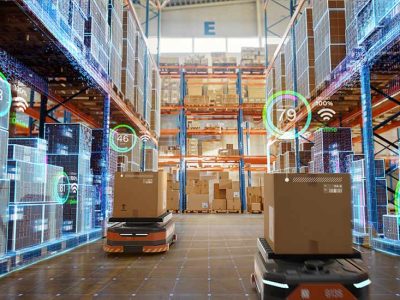
Have you thought about tech’s role in all of this? We’re in 2023, and palletization isn’t just about human labor anymore. Automation has really shaken things up. But let’s be real—it’s not all about robots taking over.
- Automated Palletizers: These machines can operate at high speed, offering efficiency that manual labor simply can’t match.
- Software Solutions: Warehouse management systems monitor inventory and optimize pallet layouts. It’s not just data; it’s crucial for your profit margin.
- Robotics: With robotic arms and conveyor belts working together, technology ensures faster processing times. Fewer human errors lead to better performance overall.
So, what’s the takeaway? Tech integration is raising the bar. But are we ready to completely ditch the human touch? I wouldn’t place bets on that.
Types of Palletization: Which Method Fits Your Needs?
When it comes to palletization methods, there’s no universal solution. The best choice often hinges on your particular needs. Let’s cut through the clutter and explore the options.
Comparing Manual vs. Automated Palletization
Manual palletization is still around, folks. It boils down to costs, labor, and efficiency. Here are a few points to consider:
- Manual Palletization: Usually cheaper to implement, but it’s labor-intensive. Workers can tire easily, trading speed for savings.
- Automated Palletization: This typically requires a bigger initial investment but might be worth it in the long run. Machines don’t get fatigued, although maintenance costs can creep up.
This comparison leads to a pressing question: Is it wiser to invest in automation or stick with manual labor? With labor costs climbing, technology is looking increasingly appealing.
Pros and Cons of Different Pallet Types
There’s quite a range of pallet types, each suited for different applications. Feel like brushing up on the details? Here we go:
- Wooden Pallets: They’re sturdy but can get damaged easily. Plus, they might harbor pests—definitely not the surprises you want.
- Plastic Pallets: These are durable and easy to keep clean, although they often come at a higher price. Still, they’re better for shipping food due to hygiene considerations.
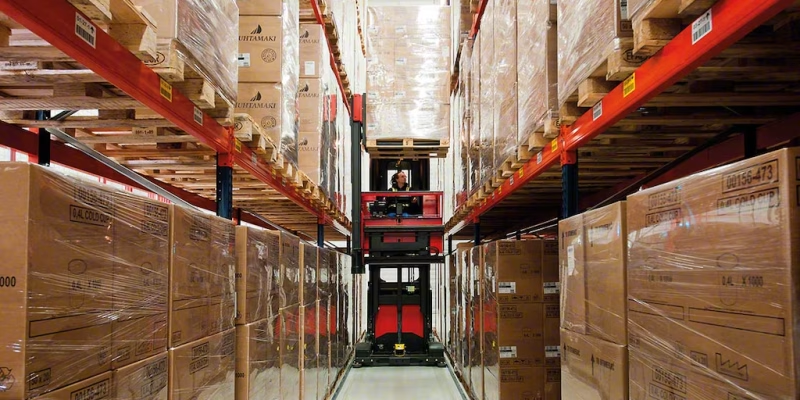
- Metal Pallets: Ideal for heavy-duty tasks, but you’ll definitely need a fork truck to move them. Talk about a workout!
It’s essential to evaluate what your operation requires. Don’t just follow trends; think about your product’s specific needs and balance longevity against cost.
The Impact of Palletization on Shipping Efficiency
You might not give it much thought, but palletization is critical for shipping efficiency. Cut waste. Save time. Let’s break down the details.
How Proper Palletization Reduces Shipping Costs
When discussing shipping costs, it’s about more than just the numbers. An effective palletization process can really lower expenses. But how does it work?
- Space Optimization: Properly loaded pallets make full use of trailer space. Fewer trips mean reduced fuel expenditure.
- Damage Reduction: We all know damage is pricier than you think. Secure packing helps avoid losses, ultimately saving you money.
- Speed In Loading/Unloading: A faster process leads to quicker turnaround times. And happy customers? That often results in repeat business.
Over time, smart palletization directly impacts your bottom line. Don’t overlook that aspect.
Case Studies: Companies That Got It Right
Real-world examples often illustrate the theories we discuss, right? Here are a couple of companies that excel in the art and science of palletization.
“The success of any shipping operation hinges on one simple factor: effective palletization.” – Industry Leader
Take Amazon, for instance. Their automated systems enhance productivity and dramatically reduce errors. Another example is Coca-Cola—by investing in custom pallets specifically designed for their unique bottles, they’ve significantly lowered breakage rates.
These companies get that effective palletization means happier customers, lower costs, and improved profit margins. So, feel free to envy them. But more importantly, learn from their successes.
Future Trends in Palletization: What’s Next?
What’s in store for the future? Technology continues to advance at a rapid clip. Are we ready for what’s coming down the line?
Innovations Shaping the Palletizing Landscape
With trends changing and evolving quickly, it’s tough to keep up. But let’s sneak a peek at some of the new developments:
- Artificial Intelligence: AI is beginning to make its mark, predicting inventory needs to streamline palletization even further.
- IoT Solutions: Smart pallets equipped with sensors are becoming a reality, allowing real-time status tracking. This is a whole new ballgame.
- Advanced Materials: Lightweight and durable materials are gaining traction. Why struggle with weight if you can avoid it?
In truth, the future appears bright, but it hinges on our adaptability. To stay ahead, we need to evolve continually. Are you ready to keep pace?
Environmental Concerns: Sustainable Pallet Solutions
Here’s the kicker: Are we truly addressing sustainability? Plastic waste in oceans, dwindling wood resources? The environmental impact of pallets shouldn’t be taken lightly. Companies are increasingly focusing on sustainable options. So, what are the choices?
- Recycled Materials: Pallets produced from recycled plastic are emerging. They might save money and help cut down on waste.
- Returnable Pallets: These can make multiple trips, leading to less waste overall. Good for the environment and your wallet.
- Biodegradable Options: Innovative designs now focus on end-of-life solutions. Once they’ve completed their job, they break down, eliminating landfill issues.
Addressing environmental concerns isn’t optional anymore. It’s a business necessity. Customers are becoming increasingly aware and are pushing for eco-friendly practices.
So, what is palletization? It’s a complex mix of processes, innovations, and growing demands. This often overlooked art of efficient shipping could be the key to your operational success. Don’t ignore it. Embrace the transformation, and you might discover that your next step is your greatest leap forward.
FAQ
What are the most common mistakes in palletization?
There are many pitfalls. One big one? Overloading pallets. It leads to spills and damages that can ruin your day. Also, not considering product compatibility can backfire, so remember each item has its quirks—fit truly matters.
How can I train staff on efficient palletization practices?
Training shouldn’t be an afterthought. Begin with hands-on workshops to demonstrate real processes. Encourage your team to discuss best practices, too. If you don’t engage your crew, you risk having everyone winging it, and that’s not how you achieve success.
Are there specific software tools for pallet optimization I should consider?
You bet! Check out warehouse management systems like SAP or Oracle—these can really help optimize pallet loads. Also, look into specialized tools like EasyCargo, which are designed specifically for load planning and layout. It’s not just about software; it’s crucial for your efficiency moving forward.
How can I assess whether my palletization process is effective?
Metrics are your allies here. Track your shipping costs, damage rates, and turnaround times. If you’re not seeing improvement, it’s time to take a closer look. How well is your team following protocols? Remember, numbers don’t lie, and neither should your processes.
Is outsourcing palletization worth it?
It depends. If your team is overworked and efficiency is slipping, outsourcing might be a good solution. But make sure to vet potential partners carefully. Poor outsourcing could lead to more headaches, not fewer. You want quality, not just a lower price.
What’s the future for manual palletization jobs?
They won’t vanish overnight, but expect a gradual decline. As automation continues to rise, human roles will shift more towards oversight and technology management. Think of it as moving from basic labor to becoming tech-savvy operators.
Can palletization practices affect customer satisfaction?
Are there industry standards for palletization that I should follow?
Absolutely! Look into guidelines from organizations like the ISO or ASTM. They provide best practices for safe and effective pallet stacking. Following these standards isn’t just smart; it’s essential for compliance and maintaining your industry reputation.