 By Marrio Phill
Food is one of the most essential parts of human life. It supports physical health, influences emotional well-being, shapes cultural traditions, and strengthens social connections. Every day, people make choices about what to eat, how to prepare meals, and how food fits into their routines. These decisions affect energy levels, long-term health, and overall quality of life.
Understanding the importance of food goes beyond nutrition alone. Food plays a powerful role in identity, family relationships, economic systems, and community traditions. When people make thoughtful choices about what they eat, they support both personal wellness and broader social well-being. This article explores how food affects health, culture, lifestyle habits, and daily performance.
Understanding the Basic Purpose of Food
Food provides the body with energy and nutrients needed for survival. It supports growth, repairs tissues, and helps maintain essential body functions. Without proper nutrition, the body cannot perform effectively.
The primary functions of food include:
- Supplying energy for daily activities
- Supporting muscle development and repair
- Strengthening the immune system
- Maintaining brain function
- Regulating body processes
Balanced eating helps individuals stay active, alert, and resilient throughout life.
Nutrients That Support Overall Health
Different nutrients play different roles in maintaining health. A balanced diet includes a variety of foods that provide these essential components.
Important nutrients include:
Carbohydrates
Carbohydrates provide the main source of energy for the body. Whole grains, fruits, and vegetables supply complex carbohydrates that release energy gradually.
Proteins
Proteins help build muscles, repair tissues, and support immune function. Common sources include beans, eggs, fish, poultry, dairy products, and nuts.
Fats
Healthy fats support brain function and hormone production. Sources include avocados, seeds, olive oil, and certain fish.
Vitamins and Minerals
Vitamins and minerals support processes such as bone strength, vision, immunity, and metabolism. Fruits and vegetables provide many of these nutrients naturally.
Water
Water helps regulate body temperature, transport nutrients, and remove waste from the body.
Each nutrient contributes to maintaining physical balance and overall health.
The Importance of Balanced Eating Habits
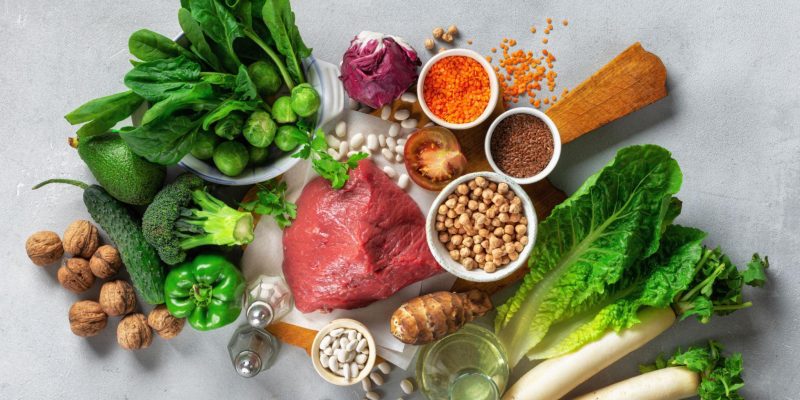
Balanced eating means consuming a variety of foods in appropriate portions. It helps prevent nutritional deficiencies and supports steady energy throughout the day.
Balanced meals typically include:
- Whole grains
- Lean proteins
- Fruits
- Vegetables
- Healthy fats
Eating a variety of foods ensures the body receives essential nutrients needed for long-term health.
Balanced eating also supports concentration, mood stability, and physical endurance.
Food and Energy for Daily Activities
Food directly affects how people feel throughout the day. Meals that include nutrient-rich ingredients help maintain stable energy levels.
When meals are balanced:
- Physical stamina improves
- Focus becomes stronger
- Productivity increases
- Fatigue decreases
- Mood remains more stable
Skipping meals or relying heavily on processed foods may lead to reduced performance and increased tiredness.
Consistent meal timing also supports better energy regulation.
The Connection Between Food and Mental Well-Being
Food influences emotional health as well as physical health. Nutrient-rich meals support brain function and emotional stability.
Healthy eating patterns can help:
- Improve concentration
- Support memory performance
- Stabilize mood
- Reduce stress levels
- Maintain mental clarity
Regular meals that include fruits, vegetables, and whole foods help support positive emotional balance over time.
Cultural Significance of Food Around the World
Food reflects cultural identity and traditions across societies. Recipes often pass from one generation to the next and represent history, geography, and shared values.
Cultural food traditions help:
- Preserve heritage
- Strengthen family connections
- Celebrate important events
- Support community identity
- Encourage social interaction
Meals prepared during holidays and gatherings often carry symbolic meaning that goes beyond nutrition.
Cultural diversity in food also encourages appreciation for global traditions.
Food as a Social Experience
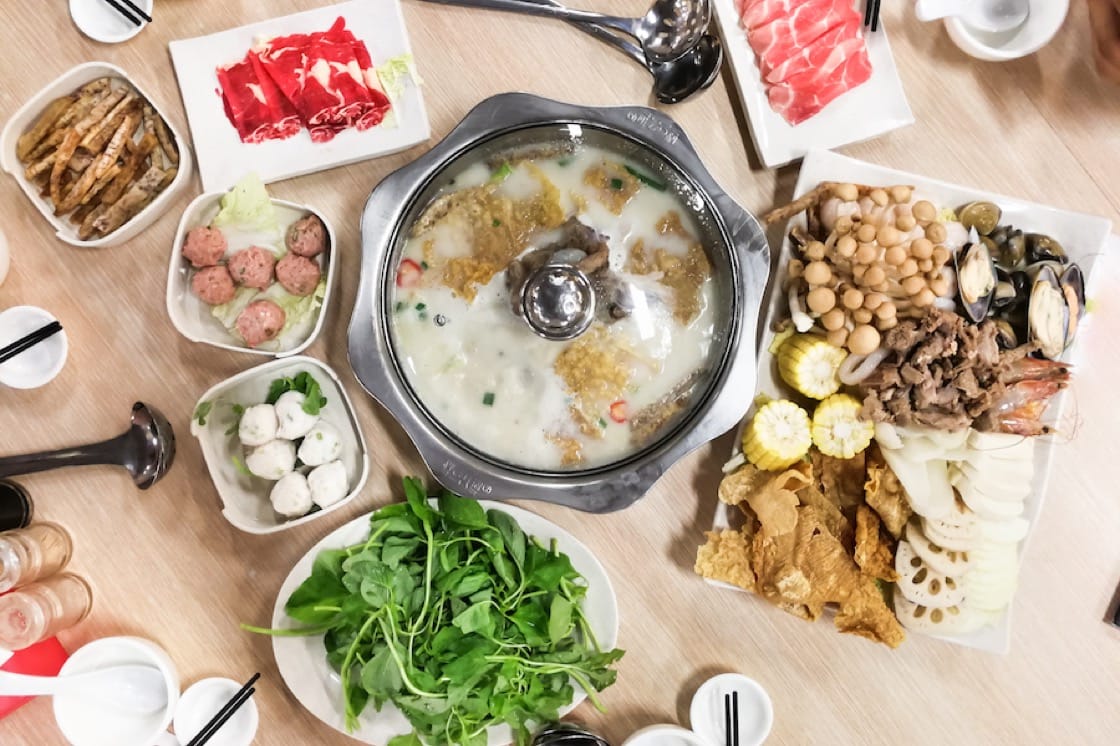
Sharing meals with others strengthens relationships and encourages communication. Families often connect through regular meal routines that provide time for conversation and support.
Social benefits of shared meals include:
- Stronger family relationships
- Improved communication habits
- Greater emotional support
- Increased sense of belonging
- Healthier eating patterns among children
Eating together helps create meaningful connections that support emotional well-being.
The Role of Fresh Ingredients in Healthy Diets
Fresh ingredients provide higher nutritional value than heavily processed alternatives. They often contain fewer additives and more natural nutrients.
Fresh foods typically include:
- Fruits
- Vegetables
- Whole grains
- Fresh herbs
- Lean proteins
Cooking with fresh ingredients supports better digestion and long-term wellness.
Fresh produce also improves flavor and meal variety.
Understanding Processed Foods and Moderation
Processed foods are convenient but should be consumed thoughtfully. Many processed items contain added sugars, sodium, and preservatives that may affect health when eaten frequently.
Moderation helps maintain balance by:
- Reducing excess sugar intake
- Supporting heart health
- Improving digestion
- Preventing unnecessary calorie consumption
- Encouraging healthier food choices
Choosing whole foods more often supports better nutritional outcomes.
The Importance of Meal Planning
Meal planning helps individuals make healthier decisions and avoid last-minute choices that may not support balanced nutrition.
Benefits of meal planning include:
- Saving time during busy weeks
- Reducing food waste
- Supporting consistent nutrition
- Controlling portion sizes
- Managing grocery expenses
Planning meals ahead improves consistency and helps maintain healthy routines.
The Value of Home Cooking
Preparing meals at home gives individuals greater control over ingredients and portion sizes. It also encourages creativity and skill development.
Home cooking supports:
- Healthier ingredient selection
- Lower reliance on processed foods
- Stronger family involvement
- Improved budgeting
- Greater awareness of nutrition
Cooking at home helps people build lifelong healthy eating habits.
Food Safety and Proper Storage Practices
Safe food handling protects against illness and supports overall health. Proper storage helps maintain freshness and prevent contamination.
Important safety practices include:
- Washing hands before food preparation
- Storing perishable foods at safe temperatures
- Separating raw and cooked foods
- Cooking foods thoroughly
- Checking expiration dates
Safe handling ensures meals remain nutritious and safe to consume.
The Relationship Between Food and Lifestyle Choices
Food choices often reflect daily routines, work schedules, and activity levels. Active individuals typically require different nutritional support than those with more sedentary lifestyles.
Healthy lifestyle eating patterns include:
- Eating regular meals
- Staying hydrated
- Choosing nutrient-dense foods
- Avoiding excessive snacking
- Maintaining portion awareness
Consistent habits support long-term wellness.
Supporting Sustainable Food Choices
Sustainable food practices help protect environmental resources while supporting future food availability.
Examples of sustainable habits include:
- Reducing food waste
- Choosing seasonal produce
- Supporting local farmers
- Limiting excessive packaging use
- Planning grocery purchases carefully
Responsible food choices benefit both individuals and communities.
Encouraging Healthy Eating Habits in Children
Children develop long-term eating habits early in life. Encouraging balanced meals helps support growth and learning performance.
Healthy habits for children include:
- Eating regular meals
- Trying new foods gradually
- Participating in meal preparation
- Drinking enough water
- Limiting sugary snacks
Positive food experiences help children build confidence around nutrition.
Food and Long-Term Health Outcomes
Consistent eating habits influence long-term health more than occasional choices. Diet patterns play an important role in maintaining physical strength and preventing illness.
Balanced nutrition supports:
- Healthy body weight
- Strong immune function
- Stable energy levels
- Improved heart health
- Better digestive function
Healthy routines established early often continue throughout adulthood.
Conclusion
Food plays a central role in supporting health, strengthening relationships, preserving cultural traditions, and maintaining daily energy levels. Balanced eating habits help individuals stay physically active, mentally focused, and emotionally stable.
Understanding how food influences different aspects of life encourages better choices and promotes long-term wellness. By selecting fresh ingredients, planning meals carefully, and maintaining consistent routines, individuals can improve both personal health and overall quality of life.
Frequently Asked Questions
How does food influence concentration during study or work
Meals that include whole grains, proteins, and vegetables provide steady energy that supports focus and mental clarity throughout the day.
Why is breakfast considered an important meal
Breakfast helps restore energy after overnight fasting and prepares the body and brain for daily activities.
How can people improve eating habits gradually
Small changes such as adding more vegetables, drinking more water, and reducing processed snacks help improve habits over time.
Does cooking method affect nutritional value
Yes. Cooking methods such as steaming or baking often preserve nutrients better than deep frying.
How can busy schedules affect food choices
Busy routines may lead to skipped meals or convenience foods, which makes meal planning especially helpful.
What role does hydration play alongside nutrition
Water supports digestion, circulation, and temperature regulation, making hydration essential for overall health.
Can seasonal eating improve nutrition quality
Seasonal foods are often fresher and more nutrient-rich, which supports better meal quality and variety.